
News
Separation Is Not Divorce: Cohabitation Is Not Marriage

News
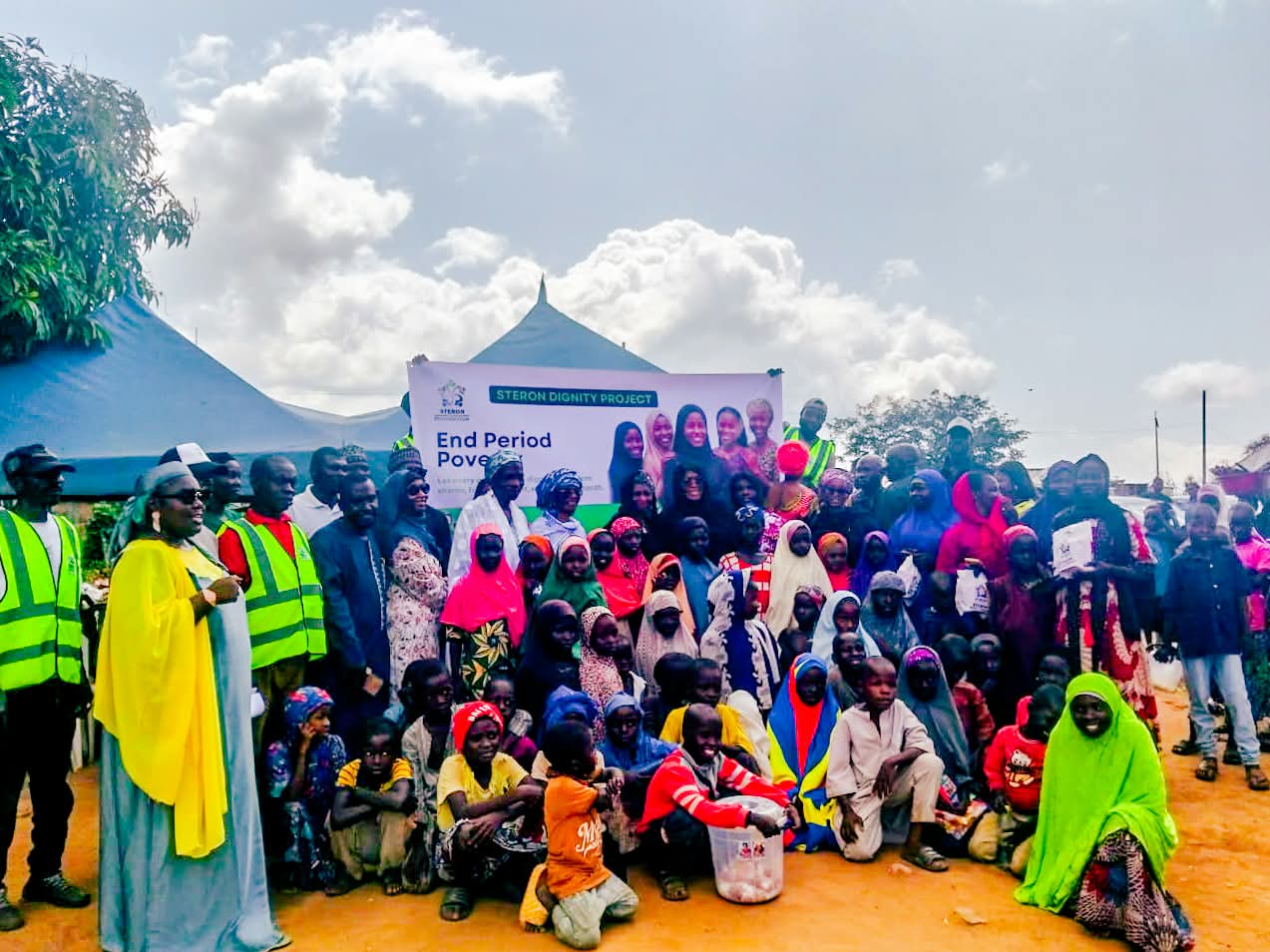
No Shame in Being a Girl- Group Captain Rakiya Omar (Rtd) and the Promise She Made to 1,000 Girls
News
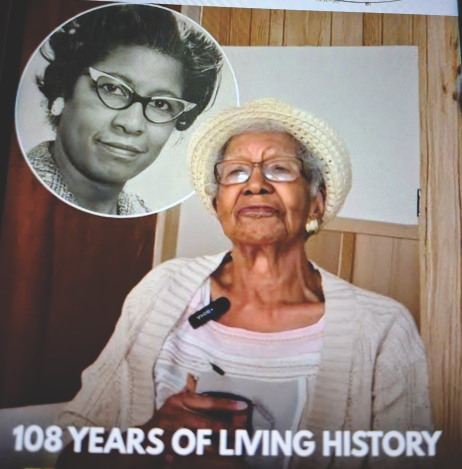
108-Year-Old Delaware Woman Renews Driver’s License Until 2033, Shares Her 5 Rules For Longevity
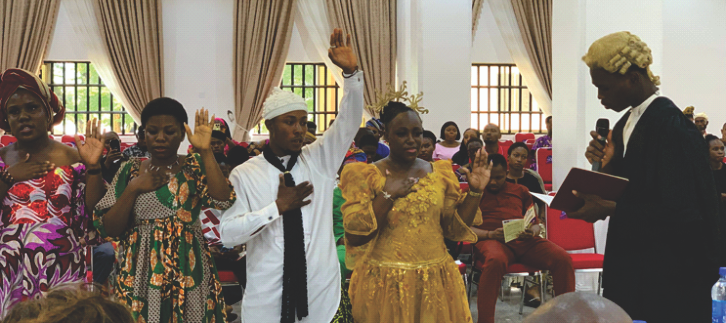 On July 8, 2026, the National Association of Akpabuyo Students Worldwide (NAAS Worldwide) recorded a significant milestone in its institutional history with the successful inauguration and swearing-in of Comrade Deborah Effiong Bassey as the first female President of the Association.
The inauguration ceremony attracted a broad spectrum of participants, including sons and daughters of Akpabuyo from across Cross River State and other parts of Nigeria. The event also witnessed the attendance of students representing various universities, polytechnics, colleges of education and other tertiary institutions, demonstrating the association’s widespread reach and the collective commitment of its members to progressive student leadership.
The emergence of Comrade Deborah Effiong Bassey as the first female President represents a landmark achievement in the association’s democratic journey. It reflects the growing recognition of inclusive leadership, gender equity, and the increasing participation of women in student governance and decision-making processes.
Her inauguration serves as an inspiration to young women and underscores the importance of equal opportunities in leadership and public service.
The ceremony was further enriched by the presence of traditional rulers, political office holders, community leaders, education stakeholders, alumni and student union executives, whose participation reaffirmed their confidence in the capacity of the Association to contribute meaningfully to educational advancement, youth development and community progress. Their goodwill messages emphasized the need for unity, accountability, visionary leadership and sustained collaboration among Akpabuyo students worldwide.

No Shame in Being a Girl- Group Captain Rakiya Omar (Rtd) and the Promise She Made to 1,000 Girls

Aderonke Kale: Nigerian Army 1st Female Major General

The First Nigerian Female Doctor

Senator Hadiza Natasha Akpoti- Udaghan, Beacon Of Nigerian Women’s Struggle For Gender Equity And Respect

THE TORTUOUS JOURNEY TO WOMEN POLITICAL INCLUSION IN NIGERIA

Welcome
-
 Achiever1 year ago
Senator Hadiza Natasha Akpoti- Udaghan, Beacon Of Nigerian Women’s Struggle For Gender Equity And Respect
-
 Women & Democracy1 year ago
THE TORTUOUS JOURNEY TO WOMEN POLITICAL INCLUSION IN NIGERIA
-
 Reports1 year ago
Welcome
-

 Business & Tech1 year ago
Wife Owns Northwest Petroleum; Husband Owns Providus Bank : THEY MAKE US PROUD
-

 Sports1 year ago
TRIBUTE TO OUR STAR: ESTHER OKORONKWO, JERSEY NO. 6 OF THE SUPER FALCONS
-
 Sports1 year ago
Another Glorious Moment Of Women Strength From D’ Tigresses
-
 Reports1 year ago
When Mothers Celebrate Offsprings’ Success
-

 Achiever1 year ago
Dr. Happiness Ntuenibok: A Passion For Service