Women & Democracy
THE TORTUOUS JOURNEY TO WOMEN POLITICAL INCLUSION IN NIGERIA

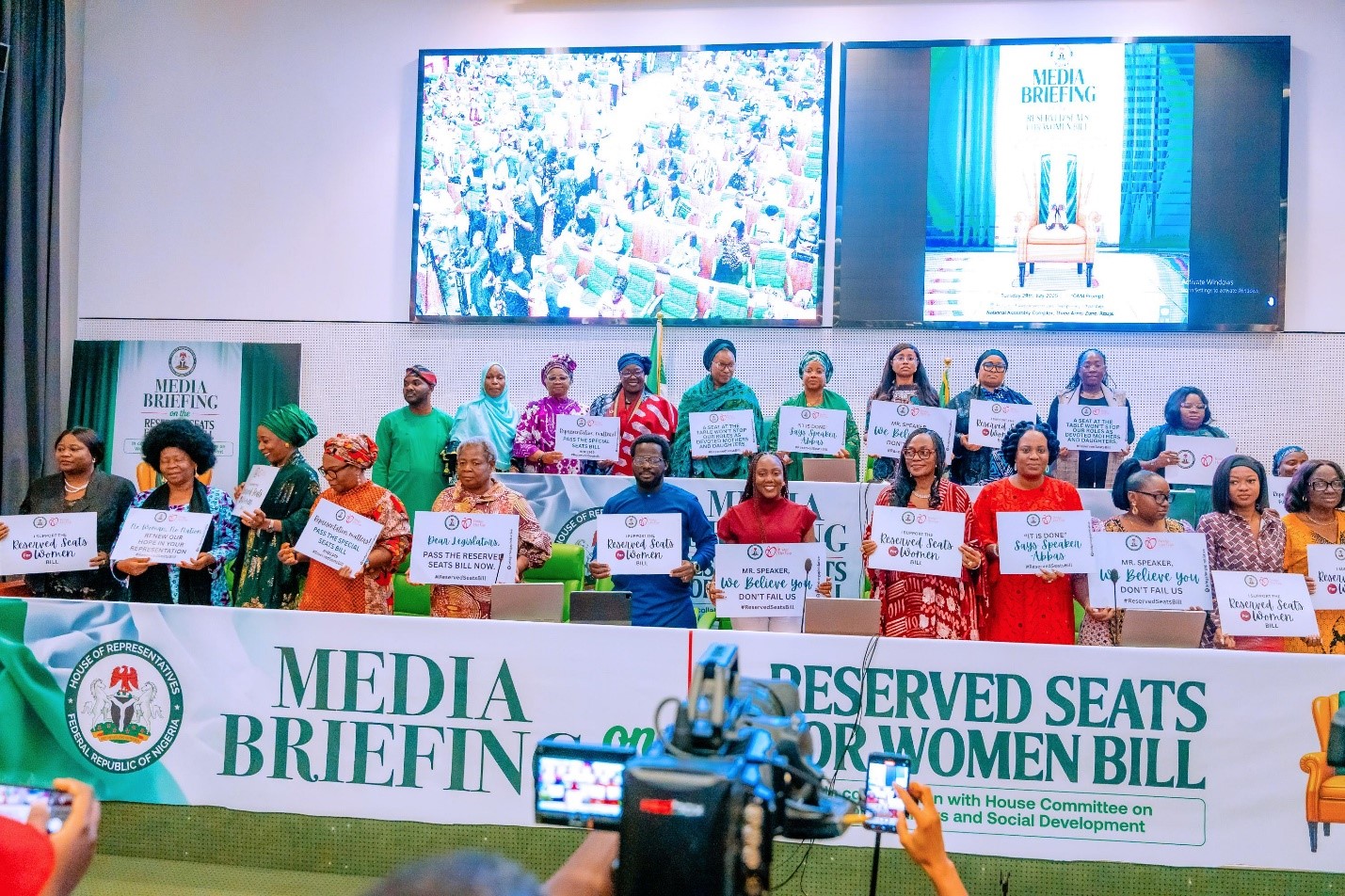
The Nigerian women journey to representation in public decision-making has been a long tortuous journey fraught with obstacles from tradition, religion; one in which rather than make progress overtime, records losses. Late starters in the political race thanks to a system that promotes preferences to males making females second fiddles, women have been struggling to overcome the effects of denied opportunities and access which limit their economic growth and power and the accruing influence, essential tools for accessing political visibility and power.
This bill is in response to the constant rejection of attempts at inclusive governance bills by the last two National Assemblies. First it was the Equal Opportunities Bill then the Six bills from women seeking affirmative action, citizenship for men married to Nigerian wives, etc. The ignoble throwing out of the bills have been considered proof of the non-regard for women by the legislators most of whom were in office because of the massive mobilization of support and votes from women. Women have demonstrated severally in the NASS registering their disappointment with the male psyche concerning women.
However, while they were being thrown aside, women in other African nations were recording great strides on the same arena. Rwanda, Tanzania, Namibia, Ethiopia parade female presidents. Zambia, Ghana, Uganda and Republic of Benin have female vice presidents. They have also made giant strides in the parliaments.
Rwanda has 63.8 per cent women in the lower house and 53.9 per cent in the upper house, making it a global leader in female representation.
South African women hold approximately 46 per cent of seats in the National Assembly.
Mozambique has implemented policies to increase women’s participation in politics while Namibia has a notable number of women in leadership positions.
Though the supposed giant of Africa, Nigeria at best, recorded some improvement in the early days of return to civil rule, that has continuously deceased as politics became more contentious in the country.
Nigerian women’s participation in politics is alarmingly low. Here are some key statistics:
*National Average: Women hold only 6.7 per cent of elective and appointive positions in Nigeria, falling below the global average of 22.5 per cent and Africa’s regional average of 23.4 per cent.
*Legislative Representation: In the 9th National Assembly (2019-2023), women occupied only 10.9 per cent of seats, with 19 out of 469 members being women.
*Executive Positions*: In the immediate past administration, only 7 out of 43 ministers (16.7 per cent) were women.
With the above statistics, Nigeria ranks 181 out of 193 countries on
the Gender Equality Index, highlighting the need for improvement in women’s representation and empowerment.
Efforts to increase women’s participation in politics are crucial for promoting gender equality and representation in Nigeria.
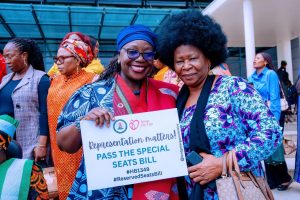
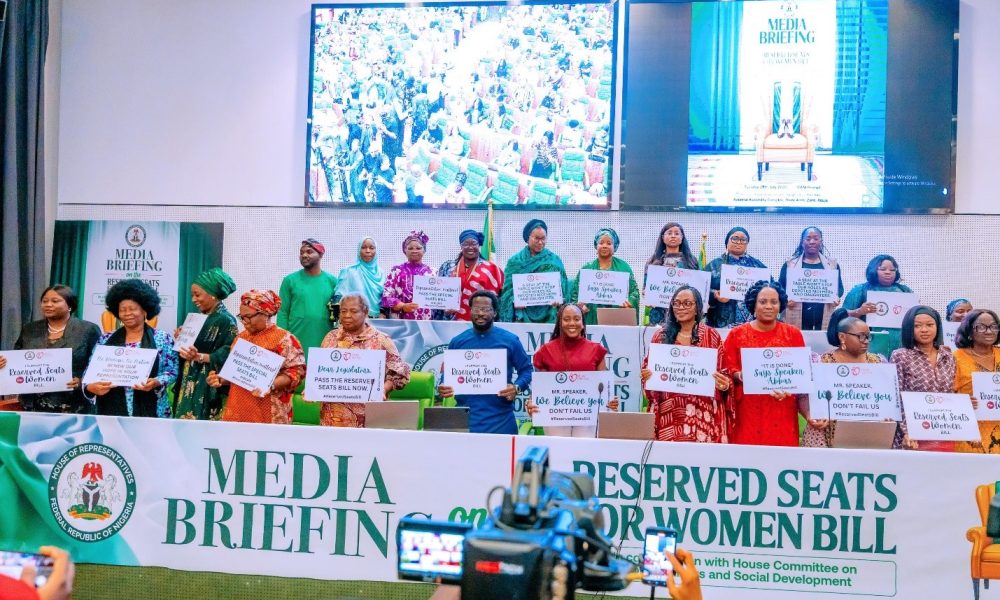
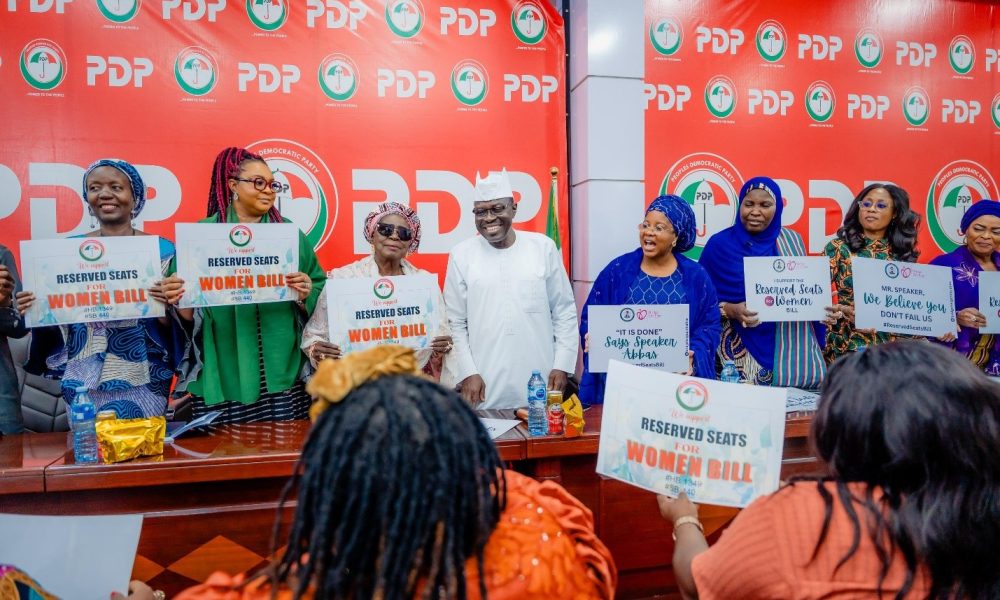
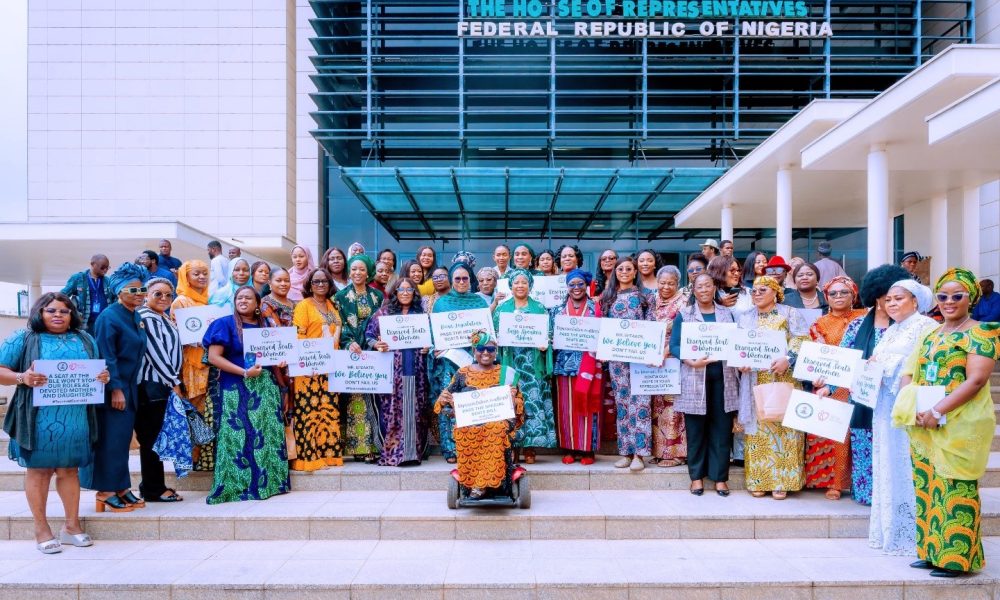
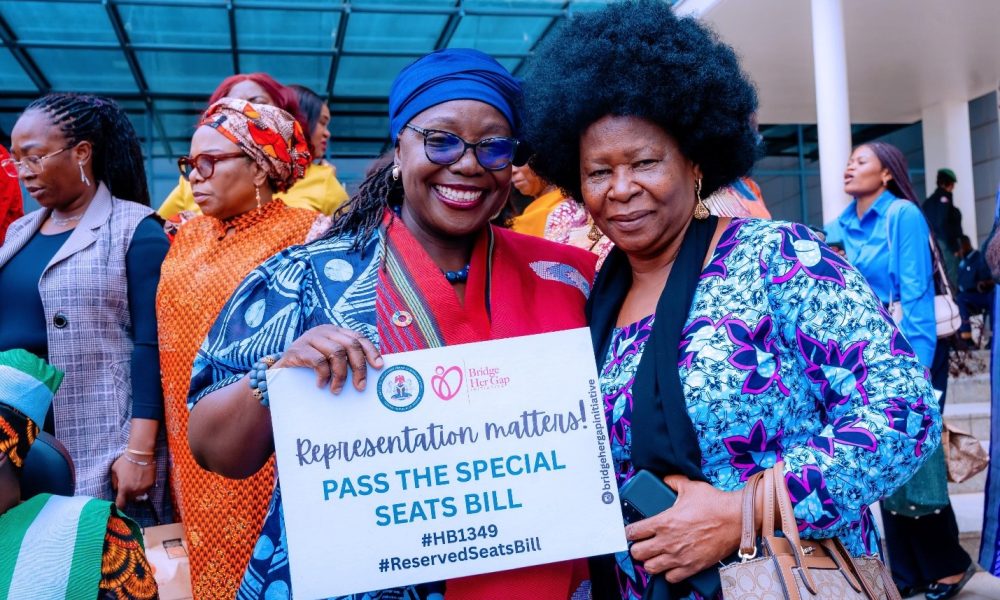
The Women’s Bill before the Nigerian National Assembly is about increasing women’s representation in politics through special legislative seats. The bill proposes:
*Additional Seats*: Creating 74 special seats for women in the National Assembly, with one seat for each state and the Federal Capital Territory.
*State-Level Seats*: Allocating three special seats for women in each of the 36 state Houses of Assembly, totaling 108 seats.
*Temporary Special Measure*: This bill is a temporary special measure aimed at remedying the low representation of women in elective positions.
The bill seeks to address the significant underrepresentation of women in Nigerian politics, where women currently hold only:4 out of 109 Senate seats; 16 out of 360 House of Representatives seats, and 55 out of 990 legislative seats across all state Houses of Assembly.
The proposed bill has sparked debates, with some arguing that it is undemocratic and discriminatory, while proponents believe it is necessary to level the playing field for women in politics. The Passage of the bill could potentially increase women’s participation in decision-making and promote more inclusive governance.
Nigerian women are not relenting.
Baobab for Women’s Human Right says, “Special Seat Bill isn’t just another piece of legislation; it’s a doorway to justice, equity and visibility for Nigerian women
Baobab For Women, ED Yeye Bunmi Dipo-Salami, one of the key proponents for the special seats bill emphatically states, “True democracy cannot exist without women’s equal representation,” a position held by many including the UN Women and other frontline gender equity advocates. Cultural inhibitions from patriarchy the system entrenched to favour the males in Nigerian society plays a significant role in blocking women from rising to top decision-making roles especially in politics, the support of tradition rulers as heads of our cultures and traditions, is paramount to overcoming the hurdles before women.
With the Ooni of Ife’s advocacy for better women inclusion, Yeye says: Traditional leaders remain respected custodians of culture and values, with the power to shape more inclusive political spaces for women. The hope is that as women shift advocacy towards getting more men on their side, the necessary cultural shift that will help push this all important change that will definitely help transform Nigeria will evolve. We therefore join Yeye Dipo-Salami in the prayer, With the Ooni of Ife’s advocacy for better women inclusion, Yeye said, “May this be a month of progress, inclusion and legislative victory for women!”
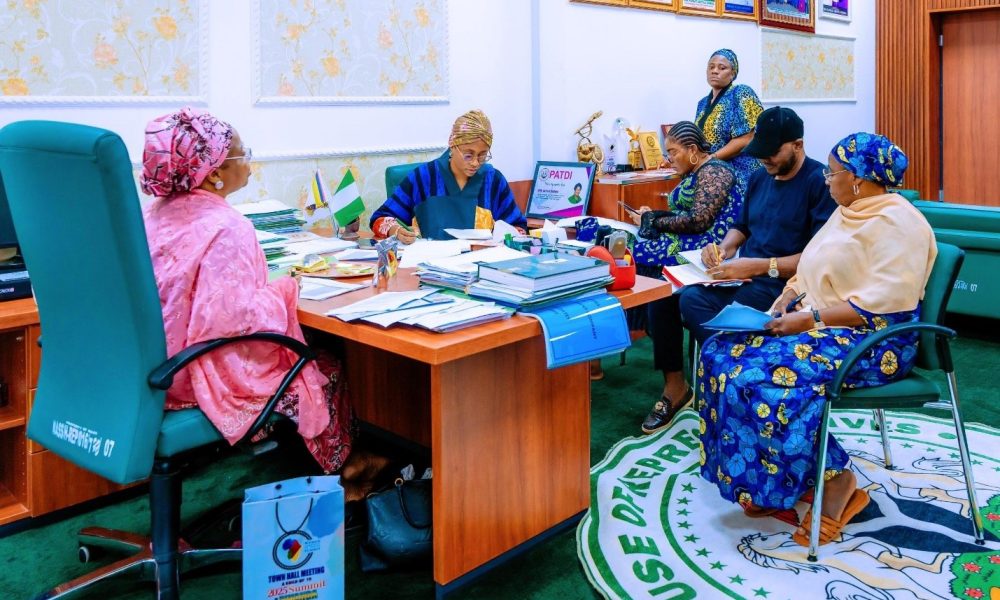
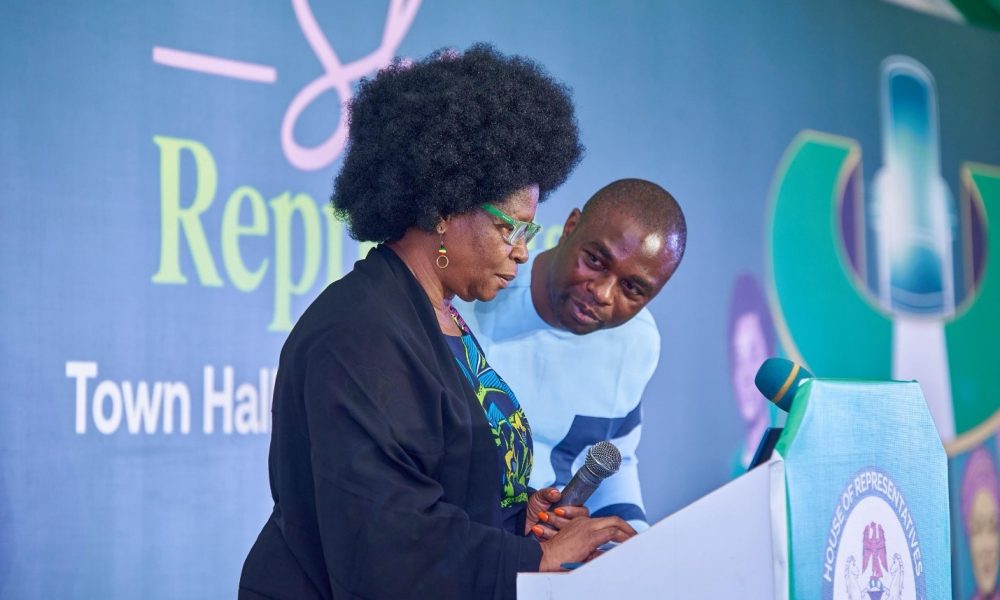



 Global recognition comes to those who have over the years, through silent steps, built a legacy of integrity, respect and success walking through society and helping shape positive impact.
Her Excellency, Senator Ipalibo Harry-Banigo, Senator representing Rivers West Senatorial District in the Nigerian Senate and first female Deputy Governor of Rivers State, is a woman who has recorded many feats in her carrier as a professional, leader and politician, touching lives along the way and raising hope among many, especially, women.
Key areas of her impact include healthcare reform and access expansion, women and girls’ empowerment, youth skills development, agricultural and small-business empowerment, public health policy and oversight.
Born on December 20, 1952 in Obuama, Degema Local Government Area of Rivers State, Nigeria, this Amazon began her education in the prestigious Queen’s College, Lagos.
She earned her MBBS from the University College Hospital, Ibadan and obtained a Master of Public Health (MPH) from Harvard University School of Public Health.
She topped this with diplomas in Tropical Hygiene and Dermatology at the University of London.
Coming home, she served as Registrar of Births and Senior Medical Officer-in-Charge in Rivers State in the early 1980s and later became principal of the Rivers State School of Health Technology in 1985.
 AWLO Global Ambassador Ipalibo rose through senior roles in the Rivers State Ministry of Health, including: Director of Public Health Services, acting Commissioner, and a Permanent Secretary.
She was appointed Secretary to the Rivers State Government (SSG) on October 5, 1995 and prior to her 2015 entry into the political space, was the first female Head of Service of the Rivers State Government.
Those years spent managing offices in the health ministry and Rivers State government service gave her a firm leadership ground for her next role when in 2015, Nyesom Wike selected her as running mate for the governorship race under the platform of the Peoples Democratic Party.
On May 29, 2015 this silent performer changed the history of political leadership in Rivers State as she emerged the first female deputy governor in the democratic history of the state. That gave impetus to more women to seek elective positions and between Governor Nyesom Wike and her, (2015-2023), the number of women in elective and appointive positions rose at all levels of government. More women groups began to take interest in government affairs and her office was their first call, being their anchor and role model. Expectedly too, issues about health especially, reproductive health and violence against women received serious attention.
It was no surprise therefore, that she was elected Senator representing Rivers West Senatorial District under the Peoples’ Democratic Party and assumed office on June13, 2023.
Senator Ipalibo Harry Banigo was appointed Chairperson, Senate Committee on Health (Secondary and Tertiary) in the 10th National Assembly.
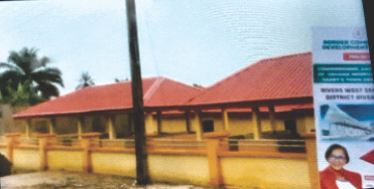
In line with her burning desire to help transform community lives and raise self-reliance in her constituency, she recently donated mini-buses to youths in her Degema, Bonny, Akuku-Toru/Asari-Toru communities and in response to Obuama identified need, a 100 unit modern lock-up shops structure with power and sanitary facilities was built to boost economic activities there. The large turn-out for the commissioning of the projects and the respect accorded her wherever she turns up, attest to her level of impact which AWLO recognizes and is set to tap.

Namibia: Inspiring A Continent

The Woman: H/E Senator Ipalibo Harry Banigo, AWLO Life Patroness

Northern Nigeria’s First Female Commodore

THE TORTUOUS JOURNEY TO WOMEN POLITICAL INCLUSION IN NIGERIA

Senator Hadiza Natasha Akpoti- Udaghan, Beacon Of Nigerian Women’s Struggle For Gender Equity And Respect

Welcome
-
 Achiever1 year ago
Senator Hadiza Natasha Akpoti- Udaghan, Beacon Of Nigerian Women’s Struggle For Gender Equity And Respect
-
 Reports1 year ago
Welcome
-
 Business & Tech1 year ago
Wife Owns Northwest Petroleum; Husband Owns Providus Bank : THEY MAKE US PROUD
-
 Sports1 year ago
TRIBUTE TO OUR STAR: ESTHER OKORONKWO, JERSEY NO. 6 OF THE SUPER FALCONS
-
 Sports1 year ago
Another Glorious Moment Of Women Strength From D’ Tigresses
-
 Reports1 year ago
When Mothers Celebrate Offsprings’ Success
-
 Achiever1 year ago
Dr. Happiness Ntuenibok: A Passion For Service
-
 Achiever1 year ago
PROF RABIA SA’ID Threading Where Women Are Rare